Column · @emilianoohoj090
Care Strategies that Work: How to Select Memory Care with Customized Assistance
Business Name: BeeHive Homes of Levelland
Address: 140 County Rd, Levelland, TX 79336
Phone: (806) 452-5883
BeeHive Homes of Levelland
Beehive Homes of Levelland assisted living care is ideal for those who value their independence but require help with some of the activities of daily living. Residents enjoy 24-hour support, private bedrooms with baths, medication monitoring, home-cooked meals, housekeeping and laundry services, social activities and outings, and daily physical and mental exercise opportunities. Beehive Homes memory care services accommodates the growing number of seniors affected by memory loss and dementia. Beehive Homes offers respite (short-term) care for your loved one should the need arise. Whether help is needed after a surgery or illness, for vacation coverage, or just a break from the routine, respite care provides you peace of mind for any length of stay.
140 County Rd, Levelland, TX 79336
Business Hours
Families generally reach memory care after a string of smaller sized choices that stopped working. A new roaming episode, a medication change that threw sleep out of rhythm, a caretaker injury, a stove left on. The requirement is not just for security. It is for predictability, relief from consistent alertness, and a daily rhythm that respects who the person was before dementia care got in the photo. The difference between a program that simply supervises and one that genuinely supports lies in the care plan and the group prepared to deliver it.
This guide draws from years of strolling communities with families, revising plans with nurses after a hospitalization, and seeing how the small details build up. It uses a way to evaluate whether a memory care residence can build a personalized strategy and stay with it. It likewise reveals where respite care fits when you are not prepared to commit to a complete move.
What customization really implies in memory care
Personalized assistance starts long previously move-in documentation. It begins with a discovery process that listens for patterns: the time of day when agitation peaks, food textures the individual can not manage, voices or lighting that activate anxiety, a tune that premises them in their body. These details do not live in a binder. They inform staffing tasks, meal prep, space setup, and the structure of the day.
An excellent memory care group deals with the medical diagnosis as one piece of context, not the heading. Alzheimer's illness, Lewy body dementia, frontotemporal dementia, vascular cognitive problems, or a blended photo each bring different risks. For instance, somebody with Lewy body illness may have visual hallucinations and high sensitivity to antipsychotics. That belongs right at the center of the plan, not buried as a footnote.
The finest programs accept that requires change month to month. A care plan that worked during the spring might fail after a urinary tract infection or a cluster of poor nights. The question to ask is not whether a residence has a strategy, but how quickly it can be reworded and retaught to the group on the floor.
The evaluation that ought to precede any offer
Many houses will propose an evaluation throughout a tour. Firmly insist that it be done by the licensed nurse who will assist compose or evaluate the plan, not only by a salesperson. The nurse must observe gait, transfers, and cueing needs, then inquire about sleep, bowel habits, swallowing, hearing, and what calms the individual during a bad spell. Evaluation that happens just in a conference room misses out on the tremor that intensifies when the person stands, or the method depth understanding modifications on patterned flooring.
Watch for how the team tests truth. Do they presume a resident can use a pendant call button, or do they examine whether the individual understands and remembers it? Do they ask about weight modifications and how long meals take? A twenty minute meal may be great on paper, but if the dining room turns over in thirty minutes, that person will not end up food without targeted help.
Five aspects every customized strategy need to include
- A clear profile of security risks and the least intrusive strategies to handle them, such as movement sensors by the door and bed, a peaceful exit path, or scheduled strolls after meals to lower wandering.
- A medication map that explains timing, adverse effects to look for, and what to do when the individual refuses. PRNs ought to have behavioral options noted before pills.
- A functional snapshot of dressing, bathing, and toileting with cueing level by job, not a blanket label like "moderate assist."
- Communication choices, activates, and de-escalation scripts that match the individual's history, including what not to state or do.
- A meaningful engagement plan that names jobs, not just activities, such as folding napkins before supper or watering the yard herbs at 8 a.m.
If even among these is missing, personalization will fail. The strategy requires to be understandable by any assistant who starts a shift at 11 p.m., not just by the nurse who wrote it.
How staffing appears in day-to-day life
Families typically concentrate on the headline ratio. Ratios matter, but they can mislead. A published 1 to 6 caregiver to resident ratio throughout the day might be watered down by breaks, showers, and escorts to medical visits. Nights tend to run leaner, often 1 to 10 or 1 to 12. Ask how many hands are in fact on the system at 2 p.m. And 2 a.m., and whether the nurse is shared throughout several floors.
The finest indication is action time. Communities that keep call reaction under five minutes throughout peak hours are doing well. You can check this. During a tour, ask whether you can satisfy a resident council member or observe a common area for ten minutes. Look for unanswered call lights and who notifications a resident beginning to rise from a chair.

Consistency also matters. Aides who know locals by name, gait, and practice decrease agitation due to the fact that they anticipate rather than react. High turnover breaks that bond. If a community changes more than a third of its direct care group in a year, you will feel the churn in missed out on details and inconsistent follow-through.
Training that goes much deeper than a slide deck
Look for training that practices circumstances specific to dementia care. A one hour annual refresher is insufficient. The greatest programs include hands-on modules: safe hand-under-hand support for transfers, bathing without fights, nonverbal cueing for meals, and how to find delirium versus standard confusion. Ask when staff discover frontotemporal dementia habits patterns or how Parkinsonism modifications move safety.
Training must not be an once and done. New behaviors emerge as the illness develops. The very best teams gather daily, then hold brief case examines each week or two for residents with current changes. If you hear that training mainly takes place online, ask how proficiency is verified on the floor.
Environment style that lowers cognitive load
Personalized care is easier in a building that does not combat the resident. Well-designed memory care units use visual cues, not only indications. Restrooms with contrast-colored toilet seats and flush levers on the noticeable side, kitchens shut off by half doors if appliances are present, and straight sightlines to the dining-room calm navigation. Lighting ought to be bright sufficient to minimize sundowning shadows, preferably with adjustable color temperature level that warms in the evening. Carpets with heavy patterns can appear like holes to somebody with visual-spatial changes.
Noise is the often neglected element. A peaceful HVAC system and soft door closers matter more than wall art. Attempt a basic test: stand in the corridor with eyes closed for one minute. If you hear consistent alarms or cooking area clatter bleeding into living areas, homeowners with dementia will feel it twofold.
What everyday engagement appears like when it is not paint-by-numbers
An activity calendar with bingo 3 times a week tells you little bit. What you wish to see is spontaneous engagement layered over scheduled options. Aide-led moments matter most: a two minute reminiscence while buttoning a sweater, a stretch of a favorite huge band tune throughout the afternoon depression, a possibility to sort a box of golf tees by color at the table before dinner.
One resident I worked with, a previous mail carrier, circled around the system each hour, restless however purposeful. Personnel included a small shoulder bag and a path of 3 doorframes with colored clips to move. He slept better that week than he had in months. That is customization at work. It took no additional budget, just the humility to try a various approach.
Health management that expects problems
Dementia care intersects with medical care in unpleasant methods. A strong program tracks 3 metrics nearly consistently: weight, bowel patterns, and sleep. Small deviations frequently anticipate larger difficulty. One or two pounds down over a week may be dehydration or a urinary tract infection developing. 3 nights of fragmented sleep frequently precede an agitation spike.
Medication review should be iterative, not set and forget. Cholinesterase inhibitors, memantine, antidepressants, antipsychotics, and sleep agents all have negative effects that change over time. Neighborhoods that collaborate quarterly with the primary care clinician or geriatrician tend to capture dosage concerns earlier. After a hospitalization, insist on a complete medication reconciliation. Healthcare facility formularies frequently swap brand names or include temporary medications that require pruning.
Where respite care fits
Respite care offers a brief stay, usually 7 to 30 days, inside a memory care neighborhood. It is not only for caregivers who need a break. Respite functions as a trial run for a longer move. It shows how your parent handles the dining-room, whether the afternoon strolling habit interrupts others, and how the group adjusts the strategy in real time.
Respite stays are more effective when the team treats them as a true onboarding, not a rotation through empty rooms. Bring the exact same personal products you would for a permanent move: images at eye level, a preferred quilt, and clothing with familiar textures. Ask for a midpoint check-in. If the strategy requires group exercise at 10 a.m. But your father sleeps finest up until 9:30, the second week is the time to repair it.
Cost, contracts, and what the numbers really buy
Pricing designs vary. Some neighborhoods provide all-encompassing rates, others use tiered care levels, and lots of work from a base lease plus point system for care tasks. Be ready for varieties. In many regions, base regular monthly lease for memory care begins around 5,000 to 7,500 dollars. Care fees can add 1,000 to 4,000 dollars or more, depending on requirements like 2 individual transfers or insulin management. Respite care often rates by the day and might include bundled services, with rates roughly 200 to 400 dollars per night depending on the market.
Ask how rate increases are managed. Annual increases of 3 to 8 percent are common, but midyear adjustments can occur if care requirements increase. The reasonable question is not whether expenses rise, but how transparently they are interacted and how the community helps households strategy. Also inquire about discharge requirements. If a resident begins to need proficient nursing interventions daily, will the community partner with home health to bridge the space, or will they push for a transfer?
An easy touring list that keeps you focused
- Watch one meal from start to end up, including who helps and for how long it takes locals to eat.
- Ask to see the care plan design template and where staff view it throughout a shift, then demand one example with individual details redacted.
- Test call reaction in real time, either by observing or asking how action is tracked and reported.
- Meet a night shift staff member or inquire about night regimens, due to the fact that habits often change after dark.
- Ask how often care plans are reviewed officially and how rapidly the group modifies them after a modification, then verify with a current case example.
This list anchors what matters most: the everyday mechanics of attention. Fancy lobbies and theater rooms do not alter a sluggish reaction to a restroom cue.
Questions that different sales talk from practice
When you ask, who writes the care strategy, listen for specifics. A trustworthy response names the nurse or care director and explains a schedule for plan reviews, often at 1 month post relocation, then every 60 to 90 days, or after any substantial change. If you hear that plans update "as needed" memory care levelland tx without structure, expect drifting standards.
Ask how the residence determines success. Neighborhoods that track resident-specific metrics, such as falls, weight stability, health center transfers, and psychotropic medication use, normally run tighter operations. If they can show a current drop in healthcare facility transfers after including hydration carts or rest breaks, you have a group that looks for source, not only symptoms.
Probe the oversight layers. Is there a medical director who rounds monthly, or is medical oversight completely external? Neither model is inherently much better, but the process matters. With external clinicians, interaction needs to be intentional. Try to find a clear course to very same day orders when behavior intensifies and a backup for weekends.
Safety without overreach
Families typically battle with the balance between freedom and containment. Door alarms and enclosed courtyards keep citizens safe, but heavy-handed constraints can produce more agitation than they avoid. The best programs tailor gain access to. A resident who attempts to leave after lunch but settles with a ten minute walk requires a plan that consists of those strolls and a relied on staff escort, not only a secured door and a reprimand.
Technology can assist, but it needs to not change personnel awareness. Passive sensors that notice bed exits, wearables that notify to limit crossings, and discreet cameras in common areas might add layers of safety. These tools work best when they feed into an action system that fasts and human. If staffing is thin, technology becomes a way to record problems rather than prevent them.
Family function and interaction cadence
You bring history that no chart can hold. The most efficient neighborhoods treat families as partners without offloading duty back onto them. Search for weekly or biweekly updates throughout the very first month, then a routine cadence that matches your preference. If you choose a fast text summary over long calls, state so. Shared online websites can work, however they must not end up being the only channel.
Expect to be requested input after a behavior occasion, not just notified after the truth. If your mother started out during a shower, the group should contact us to discover what used to work at home. Maybe she constantly bathed after breakfast, never ever before. Little timing changes often unwind big problems.
What to see throughout the very first 60 days
Most changes occur in the very first two months. Cravings might dip, sleep may alter, and family members frequently second-guess the decision. The procedure of a strong program is how it responds. Do they attempt new meal seating after observing your father consumes much better near the window? Do they change the toileting schedule when the early morning regular shows too hurried? You should see one or two documented plan tweaks in this window. If not, ask why. A strategy that does not move is usually not being used.
If things go wrong, intensify attentively. Start with the nurse or care director, then involve the executive director. Keep a basic log of dates and issues. Communities respond much faster when you bring patterns, not just anecdotes. Most wish to get it right, but they juggle competing requirements. Your clarity helps.
Special considerations for various dementia profiles
Dementia is not monolithic. Customization gets sharper when the team comprehends particular patterns.
Alzheimer's disease tends to begin with memory loss and gradually affects language and spatial skills. Individuals typically succeed with constant regimens, uncluttered areas, and duplicated cueing that feels friendly rather than restorative. Nutrition and hydration support make a huge difference because the sense of thirst can dull.
Lewy body dementia typically brings visual hallucinations and marked variations in attention. Sensitivity to antipsychotics is common. A care strategy here must list non-drug de-escalation initially and include a clinician who knows which medications worsen symptoms. Lighting and contrast changes help reduce misinterpretations of reflections or shadows.
Frontotemporal dementia can change character, impulse control, or language early. People may appear physically capable for a long period of time, which can misguide groups into believing assistances are unneeded. Structured choices, a low stimulus environment, and short, direct cues work much better than open-ended concerns. Security plans need to presume impaired judgment even when memory looks intact.
Vascular cognitive impairment typically pairs with mobility and stroke-related modifications. Blood pressure management, safe transfers, and swallow precautions need additional attention. The care plan should state who can offer hands-on assistance and when to use gait belts or two person support.
The function of senior care partners outside the building
Memory care neighborhoods do not operate alone. Home health agencies, hospice groups, geriatric psychiatrists, and therapists can add layers of assistance. Ask whether the community has actually preferred partners, how they choose them, and how rapidly services can start. A speech therapist involved after a choking episode can re-train swallow techniques and change food textures within days. A geriatric psychiatrist can review medications after a habits spike, preferably with laboratory work and ECG review if needed.
Respite care can likewise knit these partners together. A seven day stay after a hospitalization offers time for treatment while the caregiver rests and enjoys how the strategy carries out without the pressure of making a permanent move.
A short case vignette: when a small modification made the strategy work
Mr. Thompson, a retired machinist with moderate Alzheimer's, moved into memory care after two roaming occurrences and weight reduction of 6 pounds in a month. The preliminary strategy listed cueing for meals and set up walks at 10 a.m. And 2 p.m. Within a week, staff kept in mind agitation from 4 to 6 p.m., with pacing and refusals at supper. The care director fulfilled the child, who discussed her father constantly tested food while cooking and disliked crowded tables.
They tried two tweaks. Initially, they provided a small plate of finger foods at 4 p.m., then seated him at a two leading near the kitchen entrance, not in the center. Second, they moved the afternoon walk to 4:15 p.m., with a time out by the yard grill. In 3 days, rejections dropped, and he got a pound by week 3. No brand-new medications were added. The care strategy was upgraded in the record, and all aides got a fast instruction. This is how personalization looks in practice: small, testable modifications based upon history, observed, then recorded so the next shift can duplicate them.
Red flags that signify bad follow-through
You will not constantly get a straight response throughout a tour. See actions. If staff members do not greet citizens by name, or if you see the exact same person calling for assistance consistently without action, that is a signal. If no one can show you a current care plan or they state it lives just in a business system that staff can not access on the unit, anticipate gaps.
High usage of as-needed psychotropic medications is another alerting indication. Periodic use might be proper, but routine PRN use without a behavioral strategy suggests the team handles crises with tablets rather than avoiding them with environment and routine.
Be cautious if the house presses to move rapidly without appropriate assessment, or if they assure to manage whatever without asking for your input. Speed is not the enemy, but thoughtful speed is uncommon. A two to five day window to gather history, arrange a room that feels familiar, and set expectations is time well spent.
How to choose when 2 alternatives both seem acceptable
Sometimes you find more than one neighborhood that could work. Then the decision rests on fit and mechanics instead of a single apparent winner. Visit unannounced at a different hour. Call the nurse and ask about a current strategy modification for any resident, not by name, to understand their procedure. Ask to see the schedule for personnel training this quarter. Little differences in culture emerge when you look for them: how a manager talks to an assistant, whether the dishwashing machine welcomes homeowners, if maintenance repairs a flickering bulb without being asked twice.
If every factor seems equivalent, weigh distance and your own peace of mind. A community ten minutes away that you will visit routinely frequently surpasses a somewhat fancier one forty minutes away. Household existence smooths shifts and decreases preventable escalations. It also keeps the team responsible, in a friendly way.
The throughline: a plan that lives on the floor
Personalized memory care is not a glossy binder. It is lots of small, constant acts delivered by people who understand the resident well. The best neighborhood makes these acts repeatable. It develops routines that outlast personnel changes, trains relentlessly, and invites families into the loop without handing the problem back to them.
Respite care can be more than a break. It can be the proving ground that shows whether a strategy will hold. Senior care alternatives are broad, and the very best choice for one family may be wrong for another. When you focus on a living care plan, supported by people who can adjust in real time, you discover the signal inside the noise.
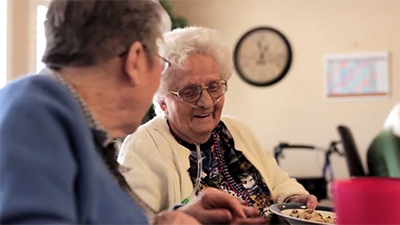
BeeHive Homes of Levelland provides assisted living care
BeeHive Homes of Levelland provides memory care services
BeeHive Homes of Levelland provides respite care services
BeeHive Homes of Levelland supports assistance with bathing and grooming
BeeHive Homes of Levelland offers private bedrooms with private bathrooms
BeeHive Homes of Levelland provides medication monitoring and documentation
BeeHive Homes of Levelland serves dietitian-approved meals
BeeHive Homes of Levelland provides housekeeping services
BeeHive Homes of Levelland provides laundry services
BeeHive Homes of Levelland offers community dining and social engagement activities
BeeHive Homes of Levelland features life enrichment activities
BeeHive Homes of Levelland supports personal care assistance during meals and daily routines
BeeHive Homes of Levelland promotes frequent physical and mental exercise opportunities
BeeHive Homes of Levelland provides a home-like residential environment
BeeHive Homes of Levelland creates customized care plans as residents’ needs change
BeeHive Homes of Levelland assesses individual resident care needs
BeeHive Homes of Levelland accepts private pay and long-term care insurance
BeeHive Homes of Levelland assists qualified veterans with Aid and Attendance benefits
BeeHive Homes of Levelland encourages meaningful resident-to-staff relationships
BeeHive Homes of Levelland delivers compassionate, attentive senior care focused on dignity and comfort
BeeHive Homes of Levelland has a phone number of (806) 452-5883
BeeHive Homes of Levelland has an address of 140 County Rd, Levelland, TX 79336
BeeHive Homes of Levelland has a website https://beehivehomes.com/locations/levelland/
BeeHive Homes of Levelland has Google Maps listing https://maps.app.goo.gl/G3GxEhBqW7U84tqe6
BeeHive Homes of Levelland Assisted Living has Facebook page https://www.facebook.com/beehivelevelland
BeeHive Homes of Levelland Assisted Living has YouTube page https://www.youtube.com/@WelcomeHomeBeeHiveHomes
BeeHive Homes of Levelland won Top Assisted Living Homes 2025
BeeHive Homes of Levelland earned Best Customer Service Award 2024
BeeHive Homes of Levelland placed 1st for Senior Living Communities 2025
People Also Ask about BeeHive Homes of Levelland
What is BeeHive Homes of Levelland Living monthly room rate?
The rate depends on the level of care that is needed. We do an initial evaluation for each potential resident to determine the level of care needed. The monthly rate is based on this evaluation. There are no hidden costs or fees
Can residents stay in BeeHive Homes until the end of their life?
Usually yes. There are exceptions, such as when there are safety issues with the resident, or they need 24 hour skilled nursing services
Do we have a nurse on staff?
No, but each BeeHive Home has a consulting Nurse available 24 – 7. if nursing services are needed, a doctor can order home health to come into the home
What are BeeHive Homes’ visiting hours?
Visiting hours are adjusted to accommodate the families and the resident’s needs… just not too early or too late
Do we have couple’s rooms available?
Yes, each home has rooms designed to accommodate couples. Please ask about the availability of these rooms
Where is BeeHive Homes of Levelland located?
BeeHive Homes of Levelland is conveniently located at 140 County Rd, Levelland, TX 79336. You can easily find directions on Google Maps or call at (806) 452-5883 Monday through Sunday 9:00am to 5:00pm
How can I contact BeeHive Homes of Levelland?
You can contact BeeHive Homes of Levelland by phone at: (806) 452-5883, visit their website at https://beehivehomes.com/locations/levelland/,or connect on social media via Facebook or YouTube
Conveniently located near Beehive Homes of Levelland Alamo Drafthouse Cinema Lubbock a great movie theater with full food & drink menu. Catch a movie and enjoy some great food while you wait.